
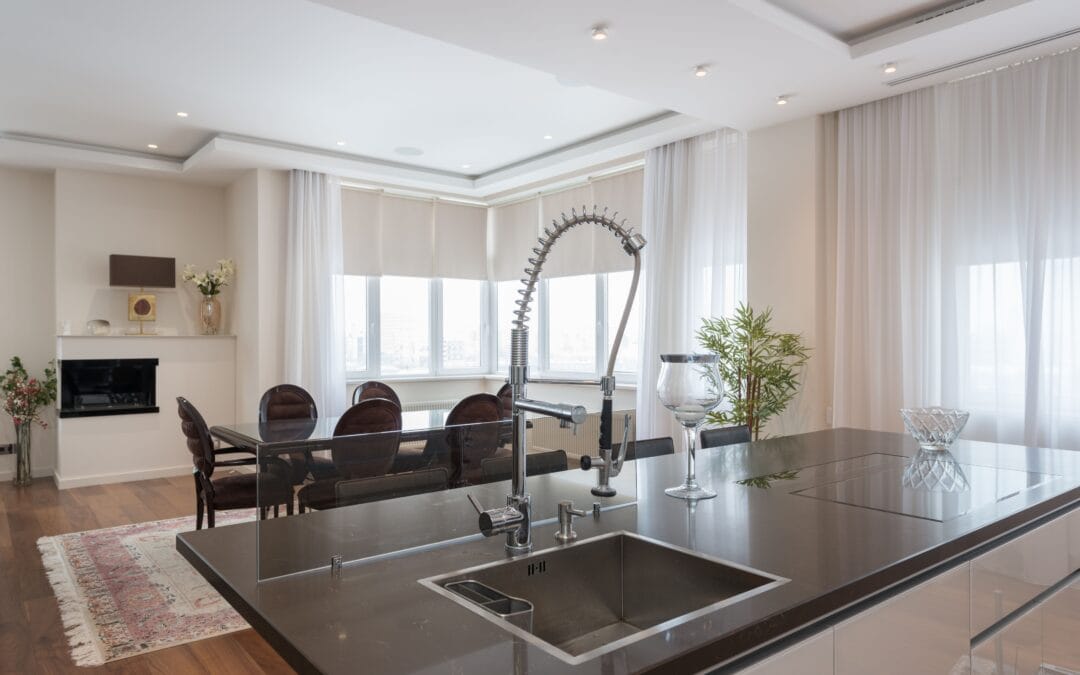
For years, laminate countertops were often associated with older kitchens and budget-focused renovations. Today, that perception is changing. Thanks to advancements in design, manufacturing, and surface finishes, modern laminate countertops are earning a second look from homeowners who want a stylish, practical surface without sacrificing design flexibility.
As kitchen and bathroom trends continue to evolve in 2026, laminate countertops are becoming a popular choice for homeowners seeking a balance between appearance, functionality, and value.
Why Laminate Countertops Are Trending Again?
The laminate surfaces available today are very different from the options many homeowners remember from decades past. Modern manufacturing techniques have expanded the range of colors, patterns, and textures available, allowing laminate countertops to complement a wide variety of interior styles.
Whether you’re designing a contemporary kitchen, updating a rental property, or refreshing a family home, laminate countertops offer a versatile surface solution that can work with many design preferences. Recent industry trends have also shown renewed interest in laminate because of its ability to mimic the appearance of natural materials while remaining budget-conscious.
What Are Laminate Countertops?
Laminate countertops are made by bonding decorative laminate material to a substrate, creating a durable finished surface. They are available in numerous colors, patterns, and finishes, making them a flexible option for kitchens, bathrooms, laundry rooms, and other areas of the home.
One of the reasons laminate countertops remain popular is their ability to adapt to changing design trends. Homeowners can choose from solid colors, stone-inspired patterns, wood-look designs, and modern textured finishes.
Design Options Continue to Expand
Today’s laminate countertops are available in styles that suit a wide range of aesthetics, including:
- Modern and minimalist kitchens
- Traditional and transitional spaces
- Wood-inspired designs
- Stone-inspired patterns
- Neutral and contemporary color palettes
Many homeowners appreciate having access to a large selection of looks without being limited to a specific design style.
Benefits Homeowners Appreciate
When considering countertop materials, homeowners often evaluate factors such as appearance, maintenance requirements, and overall practicality.
Some commonly recognized advantages of laminate countertops include:
- Wide variety of colors and patterns
- Easy day-to-day cleaning
- Non-porous surface characteristics
- Design flexibility for many applications
- Budget-friendly renovation potential
Things to Consider Before Choosing Laminate
Like any countertop material, laminate countertops have strengths and limitations. Homeowners should consider how the space will be used and select a surface that aligns with their lifestyle and maintenance expectations.
For example, proper care can help maintain the appearance of laminate surfaces over time. Regular cleaning with mild products and avoiding excessive heat or abrasive materials can help protect the finish.
Working with an experienced countertop professional can also help ensure the right material and design are selected for your specific project.
Is Laminate Right for Your Home?
The answer depends on your goals, budget, and design preferences. For many homeowners, laminate countertops offer an attractive combination of style, practicality, and affordability. With modern patterns, updated textures, and an expanding range of design options, laminate continues to prove that it deserves a place in today’s kitchens and living spaces.
As we move through 2026, it’s clear that laminate countertops are no longer viewed solely as a budget alternative. Modern designs, improved aesthetics, and greater versatility have helped bring this material back into the conversation for kitchen and bathroom renovations.
If you’re exploring countertop options for your next project, laminate countertops are worth considering alongside other surface materials. The right choice ultimately comes down to your design vision, functional needs, and long-term goals for your space.